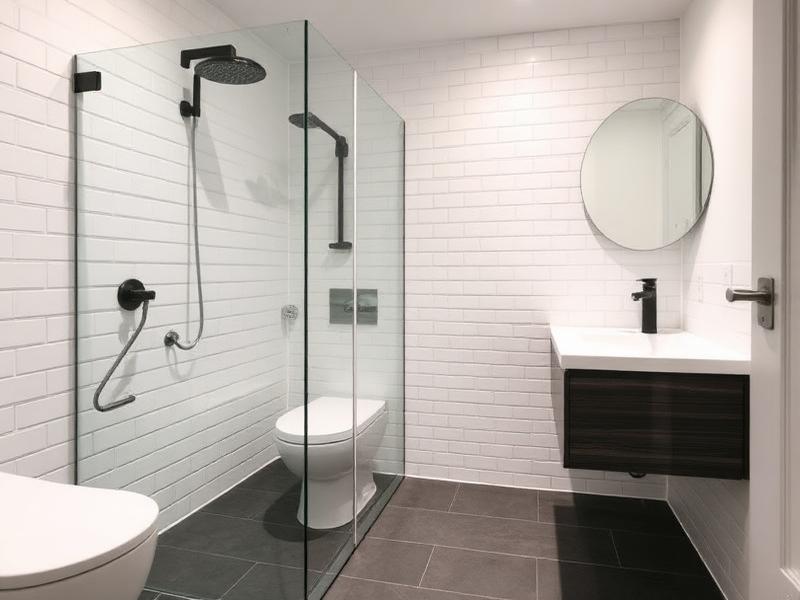
Walk-in shower installation in Gloucestershire

Spacious walk-in shower installations with frameless glass screens, a modern, accessible upgrade from traditional shower enclosures. Available across Gloucester, Cheltenham, Tewkesbury, Stroud, Malvern, Ledbury, Newent and Ross-on-Wye.

Get Free Quote
Completed bathroom from the Cotswold Maintenance Group project gallery

Can a walk-in shower be fitted in a day?

A straightforward swap can be quick when the pipe positions, supporting base and surrounding finishes do not need changing. That is not the same job as taking out a bath, lowering the shower floor or rebuilding a wet wall. The useful question is which preparation your room needs, rather than whether the new tray can be carried in and connected quickly.

Tanking, tile adhesive and fresh sealing need their curing time. A shower can look finished before it is ready for water, so the programme must allow for that rather than compressing every stage into a promised day. Ask at the survey what stays, what comes out and when the new shower can be used. The timing guide explains why those answers differ between a swap and a conversion.

Replacing a bath with a walk-in shower

The space occupied by the bath is a useful starting point for a shower, but its existing waste may not suit a lower tray. Removing the bath also exposes wall surfaces that were hidden by the rim and panel. Those surfaces need preparing for direct shower spray rather than simply filling the bath-shaped gap with new fittings.

Decide whether you want an open panel or a door, where you will reach the controls and whether a low-profile tray gives the access you need. Our conversion service looks specifically at that change; a fully floor-drained arrangement is covered by the wet-room service.

Walk-in showers in Stroud and the Five Valleys

Stroud's hillside cottages and terraces can leave little spare space in a first-floor bathroom. Before choosing a wide glass panel, consider how you will pass it to enter the shower and whether the basin or door narrows that opening. In an irregular room, usable access matters more than making the tray fill every available corner.

A sloping ceiling may limit where a shower head can sit, while the route out to the existing drainage can limit how far the tray moves. The survey brings those constraints into the same plan. Timber floors need a suitable base beneath the tray, and the waste still needs room below it. For a cottage reached by steps or a narrow stair, mention that access when discussing the work. Our Stroud town information covers the setting; the bathroom fitting page is the next step if the change extends beyond the shower into the rest of the room.

What our walk-in shower service covers

Spacious walk-in shower installations with frameless glass screens, a modern, accessible upgrade from traditional shower enclosures.

No doors to stick, corrode, or clean around
Makes even small bathrooms feel open and spacious
Level or low-profile entry, future-proofed for accessibility
Frameless glass looks contemporary and premium
Easier to clean than any traditional enclosure

How our walk-in shower works

  1. 1

    Space & Drainage Planning

    Assess the best position for the walk-in shower, factoring in drainage fall and glass panel placement.

  2. 2

    Substrate & Waterproofing

    Floor levelled, tanking membrane applied, and drainage installed with correct fall.

  3. 3

    Tiling

    Floor and walls tiled with anti-slip floor tiles and precision cuts around the glass fixing points.

  4. 4

    Glass & Finishing

    Frameless glass panel fitted, shower valve and head installed, final waterproof sealing.

Common problems we fix

If you're searching because something has gone wrong, these problem-specific pages have first-aid steps and realistic repair costs:

Walk-In Shower FAQs

Won't water splash everywhere?

Correct installation prevents this. We position the glass panel and slope the floor so water drains away from the bathroom. In our Gloucestershire installations, splashing is never an issue.

Do I need a big bathroom for a walk-in shower?

Not at all. A walk-in shower works from about 1200mm x 800mm, similar to a standard enclosure. The open design actually makes Gloucestershire bathrooms feel more spacious.

Is it suitable for older people?

A walk-in shower with a level-access tray (or no tray at all) is one of the best accessibility improvements you can make. No step to climb over, and you can add a fold-down seat and grab rails.

Does a walk-in screen need enough room for a door to swing?

A fixed panel has no swinging door, but you still need a clear entrance beside it. Measure the space left between the glass and the other fittings, and consider where splashes will land. An open arrangement is not automatically suitable just because a hinged door would be awkward.

Can the controls sit near the entrance rather than under the shower head?

That position can be considered while the supply pipes and wall build-up are being planned. It lets you discuss reaching the valve before stepping into the spray. Bring the preferred arrangement to the survey before the wall finishes or concealed fittings are chosen.

Get a free quote

Tell us about your project and we'll come back within 24 hours with honest advice and a clear, written quote.

What goes into a walk-in shower that lasts

A walk-in shower installation replaces a bath or an old enclosure with an open shower area and a fixed glass panel. The parts that decide whether it lasts are the ones you do not see: a tray bedded fully on a solid base or a floor laid to fall, waterproofing behind the tiles and a waste that can carry the flow away.

Whether a walk-in shower can be fitted in a day depends on the room. A like-for-like tray swap is a short job; moving the waste, tiling a new area or building a low-level floor takes longer. Our guide on that question explains the difference, and the survey confirms it for your room.

For a level-access or accessible shower, see our accessible bathroom and bathroom adaptations pages. Walk-in showers are fitted across Gloucester, Cheltenham, Tewkesbury, Stroud, Malvern, Ledbury, Newent and Ross-on-Wye.