Process and cost factors
Snagging and how it should be handled at the end of a job

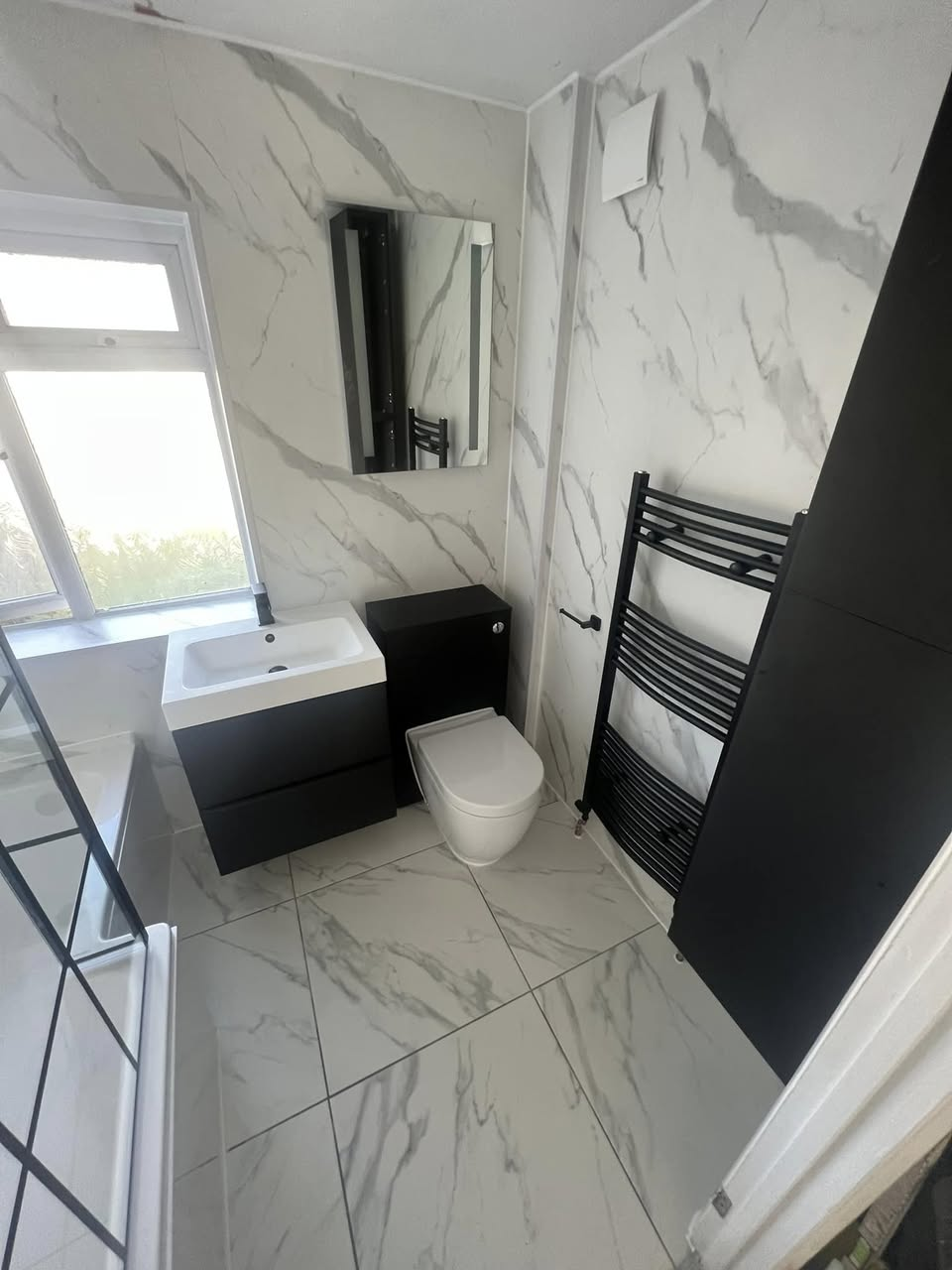
How it works in practice
- 1
A walk-through with the fitter, checking sealant lines, tile grout, door alignment and fittings under natural light, is a sensible way to compile a list.
- 2
Snags should be written down and agreed rather than raised piecemeal, so both sides have a clear record of what's outstanding.
- 3
Reasonable timeframes for resolving snags should be agreed at the point they're raised, rather than left open-ended.
- 4
Some issues, like sealant shrinkage, genuinely only become visible after the room has dried out and been used for a period, and a good fitter expects to return for these.
Common mistakes to avoid
Some issues, like sealant shrinkage, genuinely only become visible after the room has dried out and been used for a period, and a good fitter expects to return for these.
Want a professional to handle it?
See your fixed price in 24 hours
Calls answered 8am-6pm Mon-Fri · missed calls returned the same day.
"A master of his class, gone above & beyond to deliver exactly what I wanted, to an extremely high spec.", Jamie, verified review
Common questions
When should a snagging list be raised?
As soon as possible after completion, ideally during a joint walk-through, while both parties are still engaged with the detail of the job.
Is it normal to have some snags on every job?
Yes, a small list of minor finishing points is common on almost any fit and doesn't necessarily reflect the overall quality of the work.
Questions about snagging explained?
A short phone call usually answers more than a long email thread. Ask anything, including the awkward questions.
Related services
Covering Gloucester, Cheltenham, Tewkesbury, Stroud, Malvern, Ledbury, Newent and Ross-on-Wye