Process and cost factors
Screed and drying times: the stage nobody wants to wait for
How it works in practice
Traditional sand and cement screed dries slowly and needs longer than most people expect before tiling can begin safely on top.
Fast-drying or liquid screeds are often chosen specifically to shorten this stage, but still need moisture testing before flooring goes down.
Underfloor heating should be commissioned gradually once the screed is dry, following a slow warm-up rather than switching straight to full temperature.
Ventilation and ambient temperature in the room during drying genuinely affect how long the stage takes, especially in colder months.
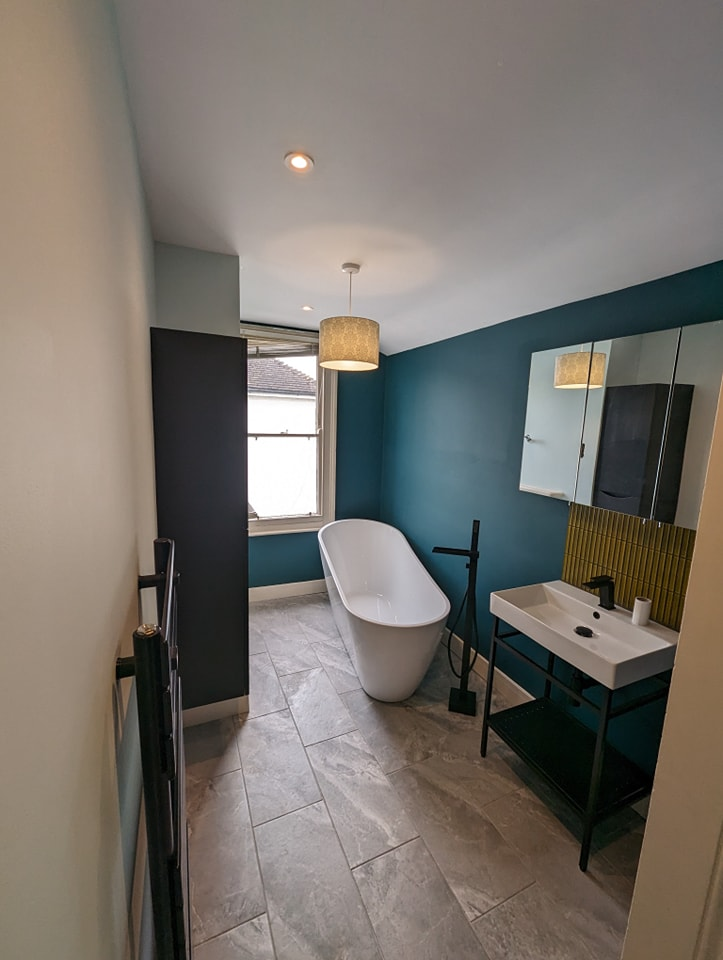

Where this fits with our work
Questions to ask any fitter
Traditional sand and cement screed dries slowly and needs longer than most people expect before tiling can begin safely on top.
Frequently asked
Can drying time be sped up with heaters?
Forced rapid drying can cause cracking, a controlled, gradual approach is safer even if it takes a little longer.
How is screed moisture actually checked before tiling?
A moisture meter or hygrometer test confirms the floor has reached a safe level before flooring or tiling proceeds.
Rather speak to someone than fill in a form?
Ring during the working day and you will get an answer from the person who would be on site, not a call centre.