Materials and finishes
Tile backer boards: foam, cement and their uses
At a glance
- Foam-cored boards are light, insulating and easy to cut, and their fixings and joints must be sealed as a system.
- Cement boards are heavier and very robust, which suits floors and areas taking heavy tile.
Where jobs go wrong
Cement boards are heavier and very robust, which suits floors and areas taking heavy tile.
Frequently asked
Do boards need tanking too?
The joints, fixings and corners need sealing to make the surface continuous.
Can boards go over old tiles?
Sometimes, if the existing tiles are sound and the build-up is acceptable.
Specification notes
Point 1
Foam-cored boards are light, insulating and easy to cut, and their fixings and joints must be sealed as a system.
Point 2
Cement boards are heavier and very robust, which suits floors and areas taking heavy tile.
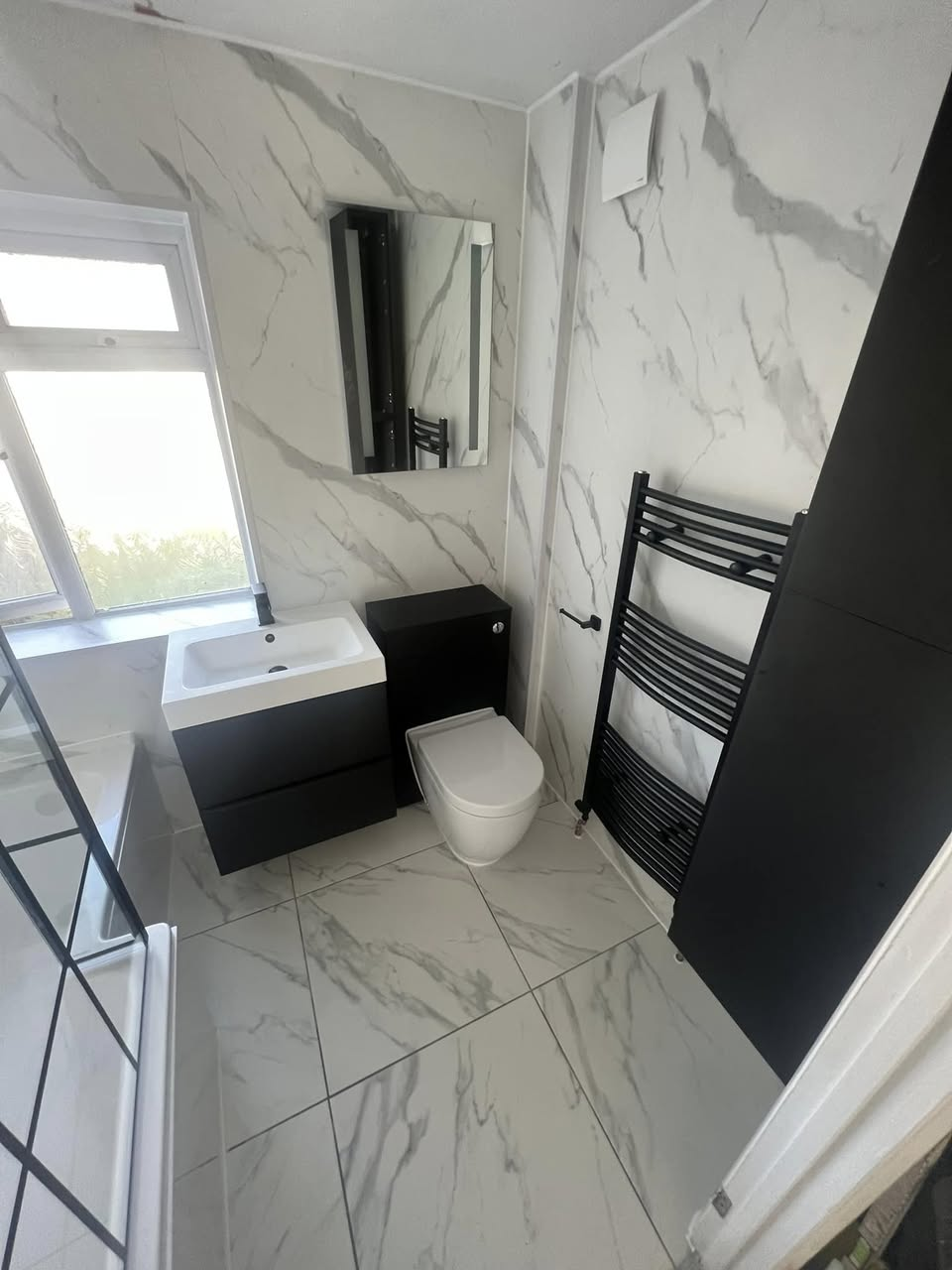
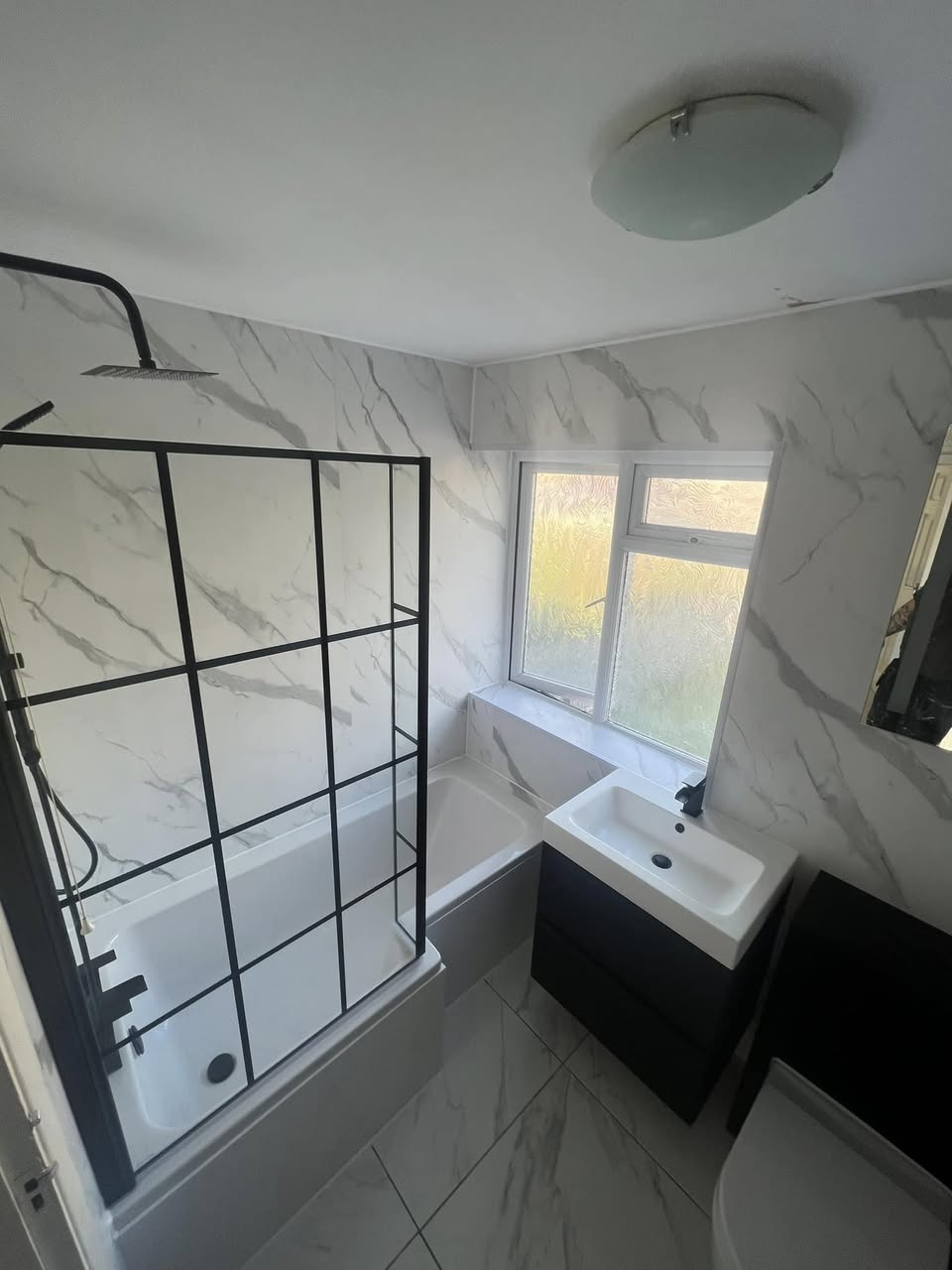
Planning tile backer boards?
Tell us the town or postcode and roughly what stage you are at. We'll tell you honestly whether it is a job we can take on.