Comparison guides
Close-coupled or back-to-wall: choosing a WC style
The deciding factors
Close-coupled cisterns are visible and easy to service, ballcock, flush valve and seals are all reachable without tools beyond a screwdriver.
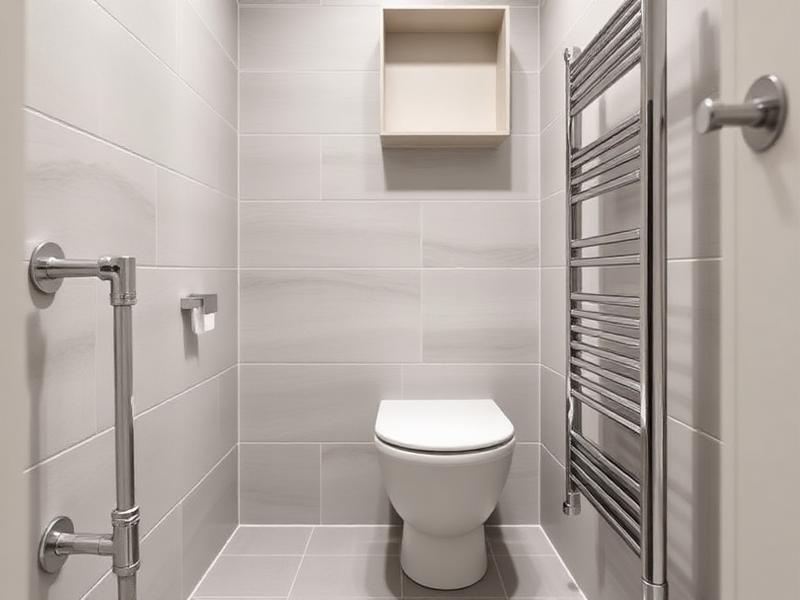
Back-to-wall units look neater and let the floor run underneath, but the cistern sits inside furniture or a duct that must be built with an access panel.
Back-to-wall suits a boxed-in pipe run being tidied up anyway; close-coupled suits a straightforward like-for-like replacement.
Before you commit
Back-to-wall suits a boxed-in pipe run being tidied up anyway; close-coupled suits a straightforward like-for-like replacement.
Your questions answered
Is a back-to-wall WC harder to fix if it goes wrong?
It takes longer only because the access panel or unit door has to be opened first, the internal parts are usually standard.
Can I change from close-coupled to back-to-wall later?
Yes, but it usually means building a new duct or unit around the cistern rather than a direct swap.
Not ready to book, just weighing it up?
That is fine, questions at the thinking stage are the cheapest ones to ask, and they usually save a change of mind later.