Comparison guides
Push-fit plastic pipe or copper for bathroom pipework
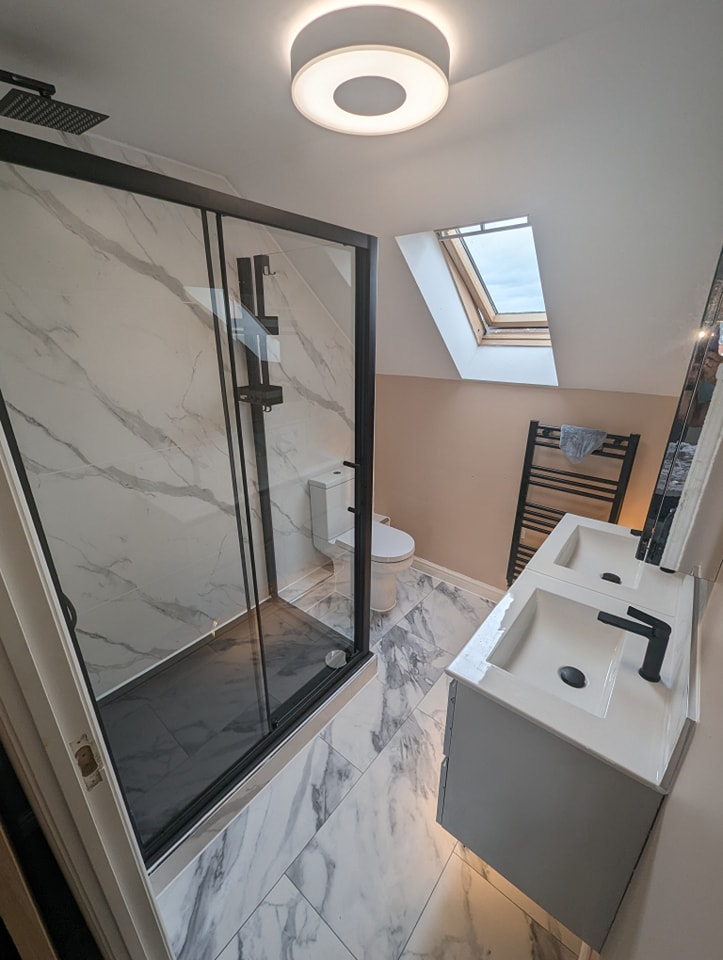
Push-fit plastic pipe connects with a simple push into a fitting; copper is soldered or compression-jointed and has been the traditional standard for decades. Both are used across bathrooms, and the choice usually comes down to access and application.
What separates them
- Push-fit is faster to install in tight spaces such as behind a bath panel or in a stud wall
- without needing a blowtorch near timber or insulation.
- Copper has a longer track record and is generally preferred for pipework that will be boxed in permanently with no future access
- where a mechanical joint's long-term reliability matters most.
- Push-fit fittings can be pulled apart for future changes without cutting pipe
- which suits a room likely to be altered again.
Worth checking on site
Push-fit is faster to install in tight spaces such as behind a bath panel or in a stud wall, without needing a blowtorch near timber or insulation.
Common questions
Is push-fit as reliable as copper?
Quality push-fit fittings are reliable when installed correctly and are widely used, though many plumbers still prefer copper behind permanently sealed walls.
Can the two be mixed on one job?
Yes, it's common to use copper for the main runs and push-fit for the final connections into fittings.
Not sure which option suits your property?
Most of these decisions come down to what is behind the wall and under the floor. A site visit settles it quickly.