1918–1939 property · Gloucestershire
Bathroom installation for 1930s semi homes in Moreton-in-Marsh
A full installation done properly for a 1930s semi — strip-out, plumbing, electrics, tiling and finishing handled as one project. The 1930s semi is one of the most common UK property types and the bathroom layout barely varies — a small first-floor room above the front porch, basin under the window, bath against one wall, WC opposite. The good news: predictable. The challenge: small.
What a full installation covers in a 1930s semi
A complete bathroom installation in a 1930s semi typically runs through these stages:
Strip-out & survey
Old suite, tiles and substrate removed. Joists, pipework and walls inspected — important in 1918–1939 properties where what's behind the tiles isn't always what you'd expect.
First-fix plumbing & electrics
Hot/cold supply re-routed where needed, soil and waste set, new electrical circuits run and certified under Part P. Underfloor heating laid if specified.
Substrate, plastering & boards
Tile-backer board on wet walls, plaster on dry. Floor levelled and reinforced where the joists need it — common in older properties.
Tiling, fitting & finishing
Wall and floor tiling, suite fitted, second-fix electrics, sealants, decoration and snag-list — everything ready to use the day we hand back.
What we plan around in a 1930s semi
Specific quirks of 1930s semi properties in Moreton-in-Marsh.
- Compact footprint — typically 2.1×1.7m
- Suspended timber floors with original lime mortar between joists, dusty when lifted
- External soil stack on the side gable, easy to access
- Original cast-iron radiators may still serve the room
What we typically uncover
Once the old bathroom is out, these are the issues we most often find in 1930s semi homes around Moreton-in-Marsh — and we cost them in honestly before re-fitting.
Bath under the window — splash damage to the sill and frame
Tight WC clearance with the door swing fouling the basin
Limescale damage in hard-water areas (most of the South West) on chrome fittings
Original galvanised supply pipes furring up from the inside
Regs and consents to watch
For a 1930s semi installations specifically — most relevant to Gloucestershire properties.
- Document F ventilation: any new bathroom needs an extractor sized to the room
- Boiler relocation, common in 1930s refits, triggers a Gas Safe notification
- Door must open outwards if the room becomes too small for inward swing — Part M consideration
Typical layout
Compact 2.1×1.7m bathroom: bath along the long wall, basin under the front-facing window, WC opposite the bath, no shower enclosure (often added retrofit).
Realistic installation cost
~£8,750
Typical installed price in Moreton-in-Marsh (£5,050–£15,700 range)
1930s semi bathroom refits sit at or just below the regional average — small footprint keeps tile and labour costs down.
See full installation cost breakdown for Moreton-in-Marsh →Installation tips for 1930s semi bathrooms
- 1Replace the bath-under-window with a shower bath and use a fixed glass screen — keeps the layout, modernises the feel
- 2Move the basin onto the WC wall in a vanity unit to gain elbow space
- 3Always check supply pipe condition with a flow test — galvanised pipes should be replaced as part of the job
Moreton-in-Marsh 1930s semi installation questions
How long does a full bathroom installation take in a 1930s semi?
Most 1930s semi installations run 8–12 working days from strip-out to silicone. Older substrates and traditional fittings can add a couple of days — we'll set the schedule before we start so you know what to expect in your Moreton-in-Marsh home.
What does a bathroom installation in a 1930s semi actually cost in Moreton-in-Marsh?
Expect roughly £5,050 at the lower end, £8,750 for a typical mid-range refit, and £15,700+ for a high-spec installation. 1930s semi bathroom refits sit at or just below the regional average — small footprint keeps tile and labour costs down. Listed-building rules in Moreton-in-Marsh typically add 8–14% to a refit job — extra consents, traditional materials, and slower stripping out.
Do you handle every trade — plumbing, electrics, tiling, plastering?
Yes. We project-manage the full installation in-house: strip-out, first-fix plumbing and electrics, plastering and substrate prep, tiling, second-fix and finishing. You deal with one team and one quote, not five trades.
Do you cover the building regs and Part P for a 1930s semi installation?
All bathroom electrics are notified under Part P. We'll also brief you on anything specific to a 1930s semi in Moreton-in-Marsh — soil-stack alterations, listed-building consent, or conservation-area constraints if they apply.
Will I be without a bathroom during the installation?
For most 1930s semi homes, the bathroom is fully out of action for 5–7 days mid-project. Where there's a second WC or basin we keep that running; otherwise we agree a plan up front.
Other property types in Moreton-in-Marsh
- Bathroom installation for victorian terrace in Moreton-in-Marsh →
- Bathroom installation for edwardian semi in Moreton-in-Marsh →
- Bathroom installation for cotswold cottage in Moreton-in-Marsh →
- Bathroom installation for new-build in Moreton-in-Marsh →
- Bathroom installation for bungalow in Moreton-in-Marsh →
- Bathroom installation for listed building in Moreton-in-Marsh →
1930s Semi installations nearby
- 1930s Semi bathroom installation in Gloucester →
- 1930s Semi bathroom installation in Cheltenham →
- 1930s Semi bathroom installation in Tewkesbury →
- 1930s Semi bathroom installation in Stroud →
- 1930s Semi bathroom installation in Cirencester →
- 1930s Semi bathroom installation in Newent →
- 1930s Semi bathroom installation in Dursley →
- 1930s Semi bathroom installation in Cinderford →
- About our full bathroom installation service →
Quote for your 1930s semi installation in Moreton-in-Marsh
Free site survey. Itemised written quote. We'll flag any 1930s semi-specific issues before we ever quote a final number.
Get a Quick, Personalised Quote
Tell us about your project and we'll get back to you within 24 hours.
Relevant projects from this area
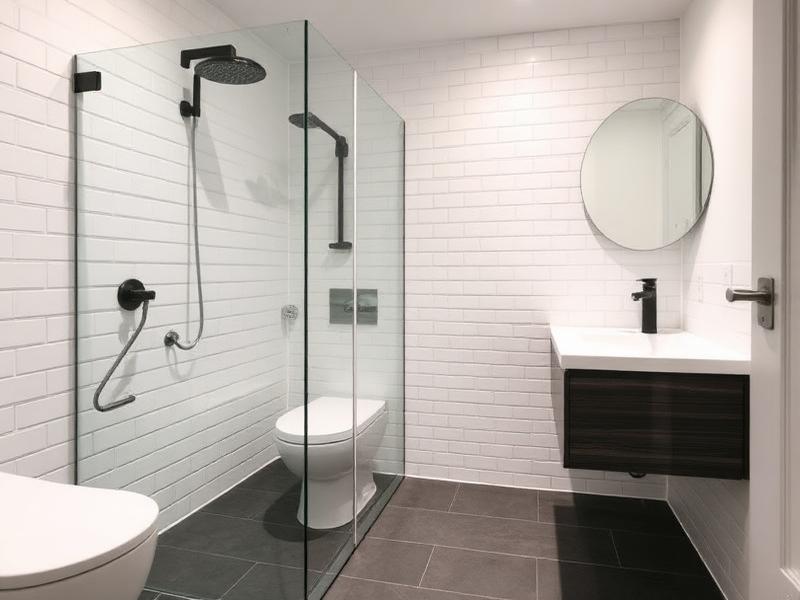
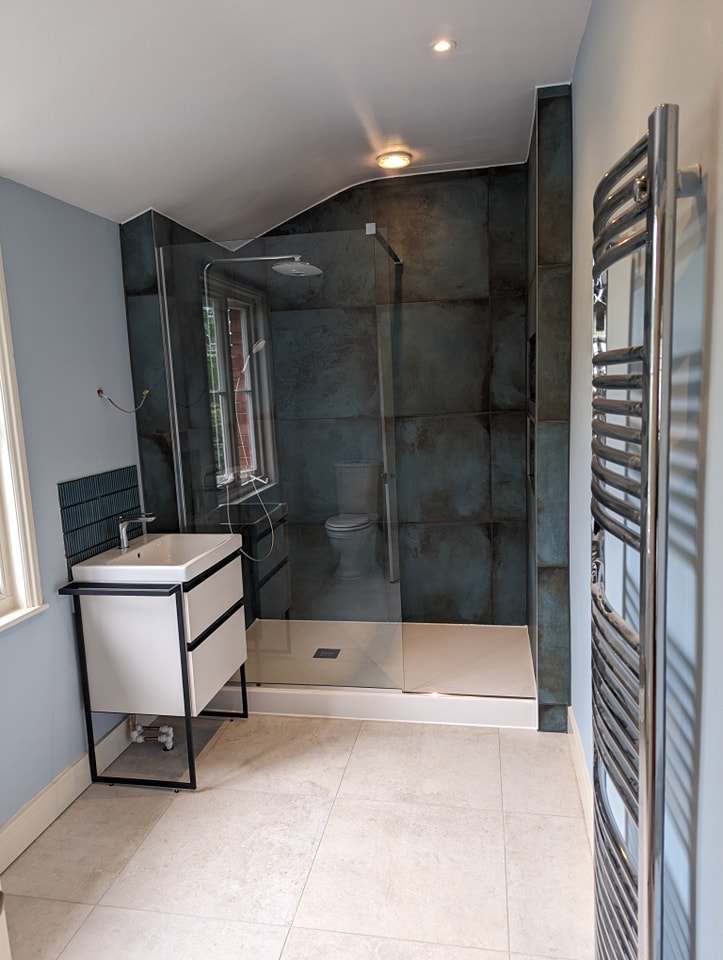
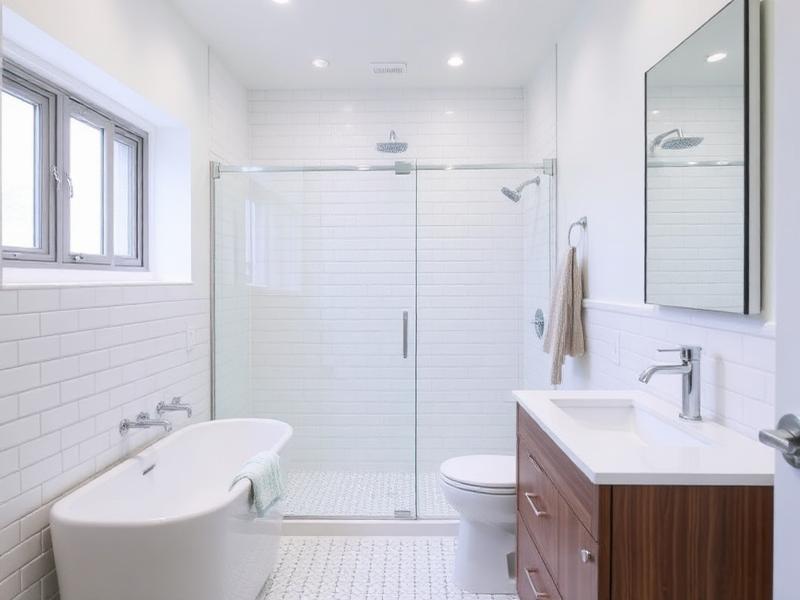
Nothing AI-rendered, nothing stock — these are jobs we've delivered in and around Gloucestershire.
Free written quote for your Moreton-in-Marsh bathroom installation
Tell us the postcode (GL7) and we'll come round, scope the job, and follow up with a fixed-price written quote inside 24 hours.
In short
Most Moreton-in-Marsh clients come to us after a quote elsewhere that felt thin on detail. Ours isn't — every line item is listed, every assumption is named, and we'd rather lose the job than over-promise.
What to know about this area
Bathroom Installation jobs in Moreton-in-Marsh are scheduled around the realities below — postcode coverage, nearest roads, councils involved, and the named places we travel to from there.
Cotswold District Council — covering GL7 postcode district.
We reach Moreton-in-Marsh via A417, A419, A429 — and serve sites within roughly 20 miles of here.
- Cirencester~2 mi
- Stroud~12 mi
- Tetbury~11 mi
- Fairford~9 mi
- Lechlade~11 mi
Love Lane Industrial Estate · Cirencester Business Park
Moreton-in-Marsh is a Cirencester neighbourhood — cirencester town centre is conservation-area controlled — we coordinate skip and material drops with the council where required.